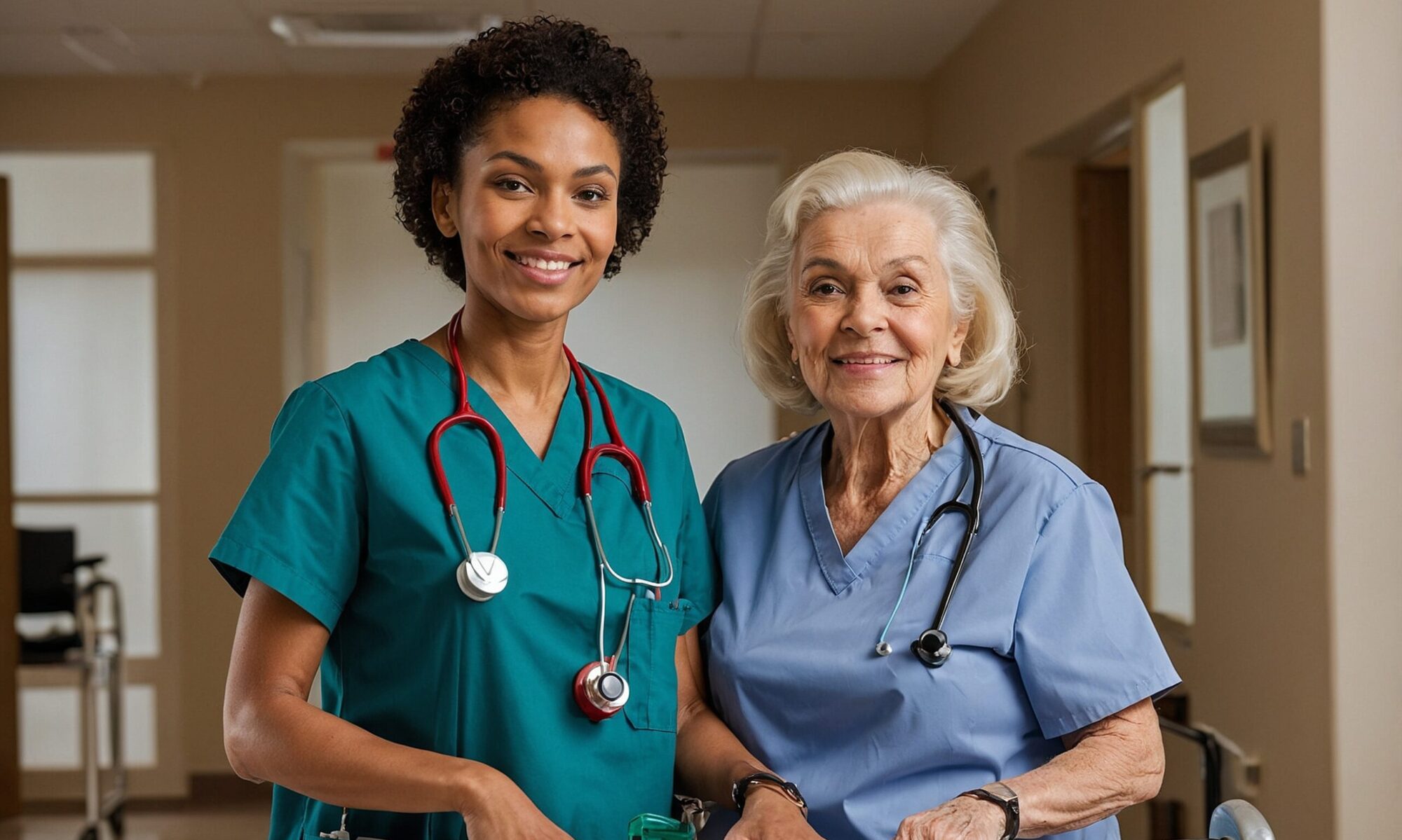
Specialization and Bilingual Nurses: Meeting the Growing Demand in 2024
As healthcare needs continue to evolve in 2024, there is an increasing demand for nurses who specialize in specific fields and are bilingual, particularly those fluent in Spanish. Specialization allows nurses to focus on a particular area of Care, enhancing the quality of treatment they provide. Meanwhile, bilingual nurses are more valuable than ever as the U.S. population becomes more diverse, with a significant increase in Spanish-speaking patients requiring Care. This article explores the importance of both specialization and bilingualism in nursing, highlighting the opportunities and challenges in these growing fields.
The Growing Need for Specialization in Nursing
Healthcare is becoming more complex, requiring nurses to gain advanced skills and knowledge in specific fields. The increased demand for specialized nurses is driven by several factors, including the rise of chronic diseases, an aging population, and the growing complexity of medical technology.
Key Specialization Areas in 2024
Family Health Nursing: Family health nurses play a crucial role in preventive Care and wellness promotion across all age groups. As primary care becomes more patient-centered, family health nurses are essential in managing chronic conditions, coordinating Care, and providing comprehensive support to families. According to the American Association of Nurse Practitioners (AANP), family health nurse practitioners are in high demand due to the shortage of primary care physicians.
Cardiac Care Nursing: Cardiovascular disease remains the leading cause of death in the U.S., which makes specialized cardiac care nurses indispensable. These nurses are trained to provide advanced Care for patients with heart conditions, working in settings such as hospitals, cardiac rehabilitation centers, and outpatient clinics. Cardiac care nurses often collaborate with cardiologists to manage complex cases, and their expertise in managing conditions like heart failure and arrhythmias is critical for improving patient outcomes.
Mental Health Nursing: Mental health nurses, particularly psychiatric nurse practitioners, are increasingly in demand due to the rising prevalence of mental health conditions such as depression, anxiety, and substance abuse disorders. Mental health nurses are trained to assess, diagnose, and treat mental health conditions, often working alongside psychiatrists, psychologists, and social workers. With mental health awareness becoming more prominent in public health discussions, the need for specialized nurses in this field has never been higher. The American Psychiatric Nurses Association (APNA) notes that mental health nurses are crucial in providing holistic Care that addresses both the physical and psychological needs of patients.
The Role of Bilingual Nurses in a Diverse Population
The U.S. is becoming increasingly diverse, with Spanish being the second most spoken language in the country. According to the U.S. Census Bureau, about 13% of the population speaks Spanish at home. As the number of Spanish-speaking patients rises, healthcare systems need bilingual nurses who can bridge the communication gap and provide culturally sensitive Care.
Why Bilingual Nurses Are More Valued
Improved Communication and Patient Outcomes: Bilingual nurses play a vital role in enhancing communication between healthcare providers and Spanish-speaking patients. Miscommunication in healthcare can lead to misunderstandings about treatment plans, medication instructions, and follow-up care, which can negatively affect patient outcomes. Bilingual nurses help ensure that patients fully understand their Care, reducing the likelihood of errors and improving patient satisfaction.
Culturally Competent Care: Language is only one part of comprehensive Care for diverse populations. Bilingual nurses, especially those familiar with Latino culture, offer culturally competent Care that respects patients’ values, beliefs, and practices. This can lead to better trust between patients and healthcare providers, encouraging patients to engage more in their treatment plans. The National Institutes of Health (NIH) stresses the importance of culturally appropriate Care, particularly in populations with health disparities, such as the Hispanic community.
Meeting Legal and Regulatory Requirements: In many states, healthcare institutions are required by law to provide interpretation services for patients who speak limited English. However, using interpretation services can be time-consuming and may only sometimes convey the full context of a medical discussion. Bilingual nurses can communicate directly with patients, ensuring more efficient and accurate care.
Opportunities and Challenges for Specialized and Bilingual Nurses
Opportunities
- Job Security and Higher Salaries: Specialized and bilingual nurses are highly sought after in the healthcare industry. With their unique skills, they often have better job security and command higher salaries than general nurses. According to Nurse Journal, specialized nurses, such as cardiac and psychiatric nurses, can earn significantly higher wages due to their expertise.
- Advancement Opportunities: Nurses with specialization or bilingual skills often have more opportunities for career advancement, whether through leadership roles, advanced practice positions, or educational pathways that lead to teaching or research.
Challenges
- Additional Training and Certification: Specializing in fields like mental health or cardiac Care often requires additional training, certifications, and sometimes advanced degrees, which can be time-consuming and costly. Bilingual nurses may also need to pursue certifications in medical interpretation to meet the legal and ethical standards of providing healthcare in multiple languages.
- Emotional Strain: Specialized fields like mental health or family health nursing can be emotionally demanding, mainly when dealing with vulnerable populations. Bilingual nurses also face challenges in navigating cultural differences and acting as advocates for patients in complex healthcare systems.
The demand for specialized and bilingual nurses is growing in 2024, reflecting the healthcare industry’s evolving needs and the increasing diversity of the U.S. population. Nurses who specialize in areas like family health, cardiac Care, and critical health are essential for providing high-quality, targeted Care. At the same time, bilingual nurses, mainly those fluent in Spanish, play a crucial role in bridging language and cultural gaps, ensuring that all patients receive equitable and effective Care.
By Receiving additional training in specialized fields or honing their bilingual skills, nurses can position themselves as invaluable assets to healthcare teams, improving patient outcomes and career prospects.